Hail is common in Memphis. Spring storms roll through with marble-sized and sometimes golf-ball-sized hail. It hits hard, and it hits fast. And the damage it leaves behind isn't always obvious.
Some hail damage you can spot from the driveway. Some hides in plain sight. And some doesn't show up until months later when a leak finally works its way through your ceiling.
Here's what you need to know about hail damage and how to check for it after the next storm.
What Hail Does to Asphalt Shingles
When hail hits an asphalt shingle, it knocks the protective ceramic granules off the surface. The exposed asphalt absorbs more heat from the sun, which accelerates aging. Over time, the shingle becomes brittle, cracks, and eventually fails.
The damage isn't always a hole. More often, it's a bruise. A dark spot where the shingle's protective layer has been compromised. You might not see water coming in right away. But that bruise is a weak point that will get worse with every rain and every freeze-thaw cycle.
How to Check for Hail Damage
Start with a ground-level inspection. Walk around your house and look at the roof from all angles. Use binoculars if you have them. Here's what to look for:
On the Shingles
- Dark, circular spots that look like bruises
- Shiny spots where the granules have been knocked off and the asphalt is exposed
- Random pattern of damage (hail doesn't hit evenly, so damage should look scattered)
On the Gutters and Downspouts
- Dings and dents along the edges
- Paint chipped off in small, round patterns
- Granules accumulating where downspouts empty out
On Flashing, Vents, and Other Metal
- Dents in metal flashing around chimneys and skylights
- Dings on ridge vents, turbine vents, or plumbing vents
- Any metal that shows impact marks
On Other Things Around Your House
- Dented window screens or window trim
- Cracked or chipped siding
- Dents on AC units, outdoor furniture, or grills
If you see damage on things around your house, your roof likely took the same hit.
The Hidden Damage
Hail damage isn't always easy to see from the ground. Sometimes the shingles look fine, but the impact has loosened the seal between shingle layers or created small cracks in the fiberglass mat. These issues don't leak right away. But over time, they get worse.
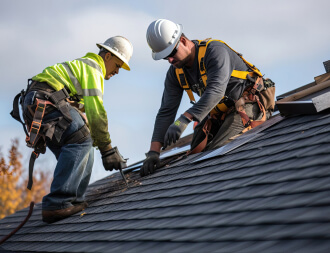
That's why a professional inspection is important after a significant hailstorm. A roofer who knows what to look for can find damage you'll miss from the ground. We walk the roof, check the seals, look for bruising, and check all the vulnerable spots.
Does Insurance Cover Hail Damage?
In most cases, yes. Homeowners insurance typically covers hail damage to your roof. But here's the important part: you need to file the claim within a reasonable time. If you wait too long, the insurance company may say the damage is from wear and tear, not the storm.
If you think hail damaged your roof, call a roofer first. Have them inspect and document the damage. Then call your insurance company. Most reputable roofers will work with your insurance adjuster to make sure the full extent of the damage is documented.
One thing to keep in mind: insurance companies look for consistency. If the damage pattern is scattered and random, it's likely from hail. If the damage is uniform across the roof, it's more likely age-related wear and tear, which insurance doesn't cover.
When to Get a Professional Inspection
We recommend getting your roof inspected after any hailstorm with hail larger than pea-sized. Even if you don't see damage from the ground, it's worth having a professional take a look. Most inspections are free, and catching hail damage early can save you thousands of dollars.
If you're not sure whether your roof took hail damage, call us. We'll come out, inspect it, and tell you what we see. No charge, no pressure. That's just how we do business.